Private vs. Public Schools Near The Battery: How Do They Compare?
Cobb County
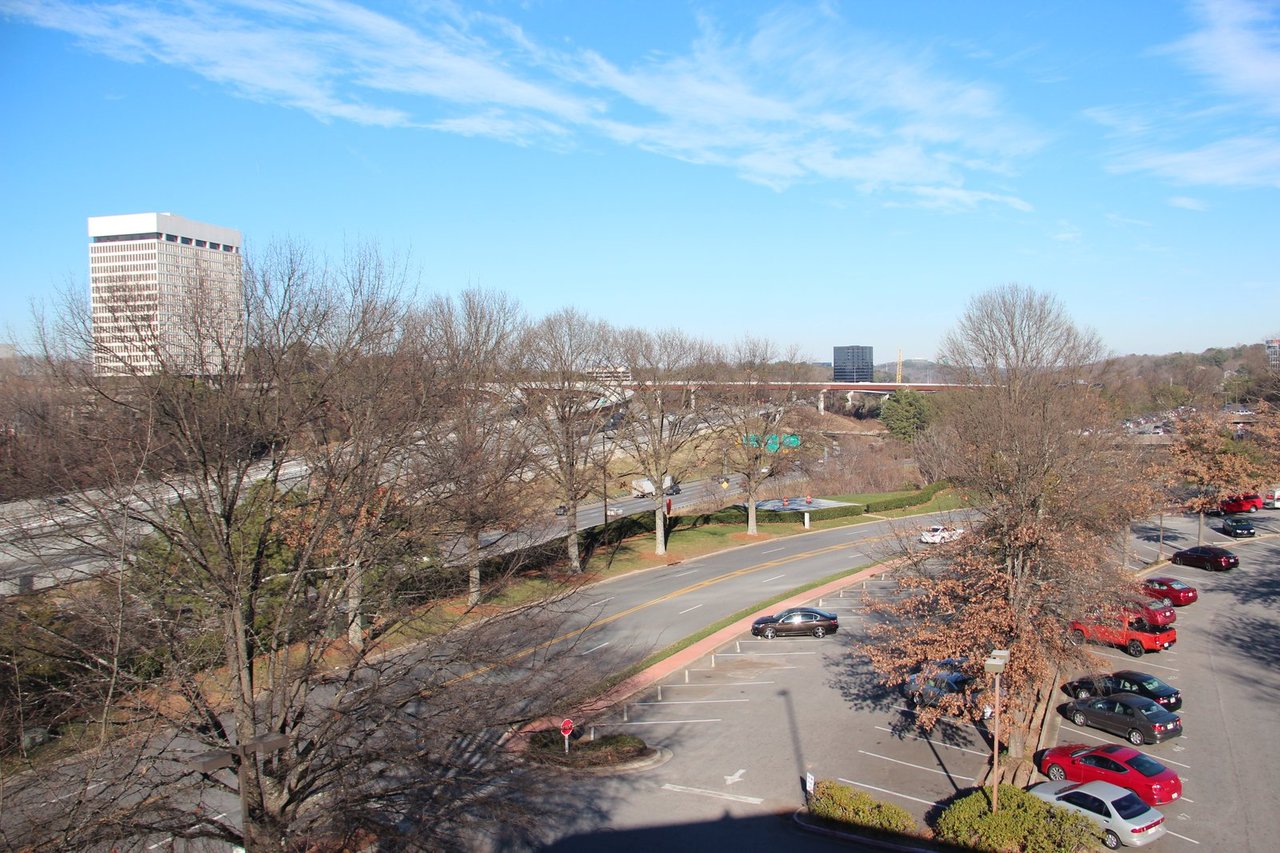
Cobb County
Deborah Morton, Managing Partner, The Agency Atlanta. RealTrends Top 1.5%.
Homes around The Battery Atlanta are served by the Cobb County School District, where public school carries no tuition and the assigned school depends on the address. Three well-known independent schools within about seven miles of Truist Park publish 2026-27 tuition from $16,100 to $41,110 a year, depending on grade, and all three offer need-based financial aid.
Stand at the ballpark at 755 Battery Avenue SE and look at a map. The Lovett School is under two and a half miles away in a straight line, across the county line in the City of Atlanta. Whitefield Academy sits a little over five miles southwest inside the City of Smyrna, and The Walker School is nearly seven miles north inside the City of Marietta.
That is three schools, three city governments and two counties, and the ballpark itself is in none of those cities. This guide lays out the published numbers, then the parts that rarely make the brochure: aid deadlines, state programs and the weekday drive. No school here is ranked; the figures are each school's own, dated.
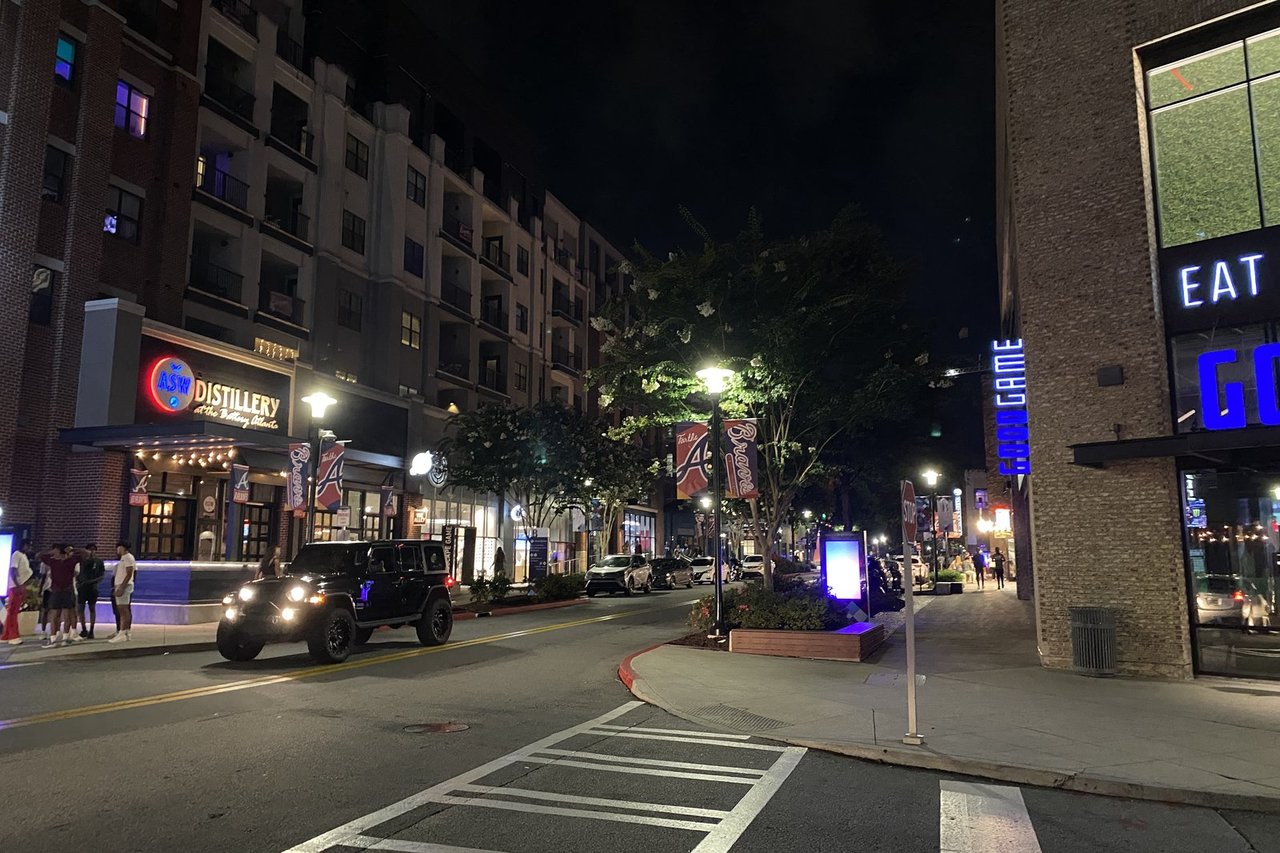
The Cobb County School District. The Battery and Truist Park sit in the Cumberland area of unincorporated Cobb County, about 10 miles northwest of downtown Atlanta, and the "Atlanta" in the mailing address does not put them in the City of Atlanta or in Atlanta Public Schools.
A U.S. Census Bureau geocoder check of the ballpark's address returns Cobb County and the Cobb County School District, with no incorporated city, and Cobb County's address records list it as unincorporated.
The district is the second largest school system in Georgia and the 23rd largest in the nation. It serves 105,738 students in 112 schools, including 66 elementary, 26 middle and 17 high schools and one charter school, based on the Georgia Department of Education's October 2025 count.
Use the district's attendance zone maps, then confirm with the district. The district publishes zone maps for elementary, middle and high schools, and it says plainly that they are for general information only and that a home purchase should not be decided solely on them.
Zones can change, so treat a map as the starting point, not the answer. If a public school is part of the plan, skip the listing remarks, check the district source for the exact address close to the time you make an offer, and keep a dated screenshot.
Magnet programs are the main one. They are high school programs with limited space, so admission runs through a competitive application: academic magnet applications are due in early December of eighth grade, and performing arts candidates audition in the spring.
The programs include the International Baccalaureate program at Campbell High School, the Center for Excellence in the Performing Arts at Pebblebrook High School and the Academy of Research and Medical Sciences at South Cobb High School, among others. The district provides arterial bus transportation for magnet students, and the tuition-free Cobb Innovation and Technology Academy is open to students across the district.
Programs and timelines can change from year to year, so check the district's magnet page before planning around one.
Each school publishes its own tuition, and these three are examples rather than a complete list. The figures are as posted for the 2026-27 school year, and listing them is not an endorsement.
Tuition is not always the whole bill. Whitefield lists lunch, classroom textbooks through Grade 4, personal laptops and devices through Grade 8, learning support, field trips and fine arts participation as included, while parents cover uniforms and some textbooks.
Walker says tuition covers lunch and all school supplies from PK3 through Grade 5, with possible extra fees in older grades for books, supplies and trips. Lovett says that, depending on a student's activities, additional charges and fees may apply, and it publishes a tuition and fee brochure with estimated ranges.
Yes, at all three, and it is based on need. The ranges, deadlines and share of students receiving aid differ.
Aid has its own application, separate from admission, and Whitefield and Walker both say the people deciding admission do not see a family's aid request. Lovett notes a $65 fee to submit its application.
The calendar starts early. For the 2027-28 school year, all three opened aid applications on October 1, 2026, with deadlines for new families of February 5, 2027 at Walker, February 25, 2027 at Whitefield and March 1, 2027 at Lovett; all three list April 3, 2027 for new-family award notices.
Deadlines for currently enrolled families come sooner. If aid matters, put these dates on the calendar before the first tour.
It is a state program, created in 2024, that lets eligible students use public funds for private school tuition and other approved education expenses. For the 2026-27 school year, the amount is set by law at a maximum of $6,500 per student, paid in four quarterly installments, and the Georgia Education Savings Authority may withhold up to 5 percent for administrative purposes.
Eligibility has two parts. The student must have been enrolled in a Georgia public school for two consecutive semesters or be a rising kindergartner, and must live in the attendance zone of a public school on the Governor's Office of Student Achievement's list of the 25 percent lower-performing public schools.
If applications outnumber available funds, students from households at or below 400 percent of the federal poverty level get priority. A student must leave public school to use the funds, and private schools must apply to participate, so ask each school whether it does.
Whether an address qualifies depends on the current list, so check the program site before counting on it.
The Georgia Department of Revenue calls it the Qualified Education Expense Tax Credit. Taxpayers who contribute to a student scholarship organization can claim a state tax credit, and those organizations fund scholarships at private schools.
The credit is first come, first served, and the statewide total is capped at $120 million per tax year for tax years beginning on or after January 1, 2023. Taxpayers must request preapproval through the Georgia Tax Center, and for 2026 the Department reported the full cap preapproved by January 3, 2026.
The two programs do not stack for the same student. A student receiving a scholarship from a student scholarship organization is ineligible for the Georgia Promise Scholarship, and a tax professional is the right person to explain how the credit applies to your own return.
Compare practical questions rather than reputations.
The right answer often changes between elementary, middle and high school, and revisiting it later is a reasonable plan.
A tour is more useful with a list. These questions work anywhere.
Write the answers down the same evening. After three or four tours, the details blur.
Logistics often decide this more than anything else. A zoned public school may be close to home, with bus service under district rules, while a private school may mean a longer drive, a carpool and a calendar that does not match the district's.
The district and each private school publish separate calendars, so siblings at different schools can have different breaks.
Then drive the route at the hour you would actually make it. Each of the three campuses above is in a different direction from the ballpark, and a trip that takes minutes on a Sunday can take much longer on a weekday morning or an event evening; our look at what it is really like to live near Truist Park covers game-day traffic in more detail.
It can. If you plan to use the assigned public school, the exact address matters, so confirm the zone first; if you plan on private school, the address matters mostly for the commute, which can open up more locations.
The type of home is a separate question. If you are also choosing between a condo, a townhome and an apartment, see how those options compare near The Battery, and for the wider county picture, our pros and cons of living in Cobb County.
Sometimes the smartest move is no move at all. If your current address already works for the school plan and the commute, staying put can be the right call.
Homes in the Cumberland area around Truist Park are in unincorporated Cobb County and are served by the Cobb County School District, even with an Atlanta mailing address. Confirm the assigned schools for a specific address with the district.
Start with the Cobb County School District's attendance zone maps, then confirm with the district. The district says its maps are for general information only and should not be the sole basis for a home purchase.
Published 2026-27 tuition at Whitefield Academy, The Walker School and The Lovett School runs from $16,100 for PreK at Whitefield to $41,110 for Grades 6 to 12 at Lovett, depending on school and grade.
Yes. Whitefield, Walker and Lovett each offer need-based financial aid through a separate application with its own deadlines. Award ranges and the share of students receiving aid differ by school.
Up to $6,500 per eligible student, paid in four quarterly installments, and the Georgia Education Savings Authority may withhold up to 5 percent for administrative purposes. Eligibility depends on public school enrollment and the student's attendance zone.
No. The program site says a student is ineligible for the Georgia Promise Scholarship while receiving a scholarship or other benefit from a student scholarship organization, which is how Georgia's tax-credit scholarships are paid.
Checked October 30, 2026.
Questions? Call (470) 990-4414.
Start Your New Home Search Now!
Stay up to date on the latest real estate trends.
Real Estate Pricing & Market Analysis
Cobb
Cobb County

Cobb County
You’ve got questions, and we can’t wait to answer them.